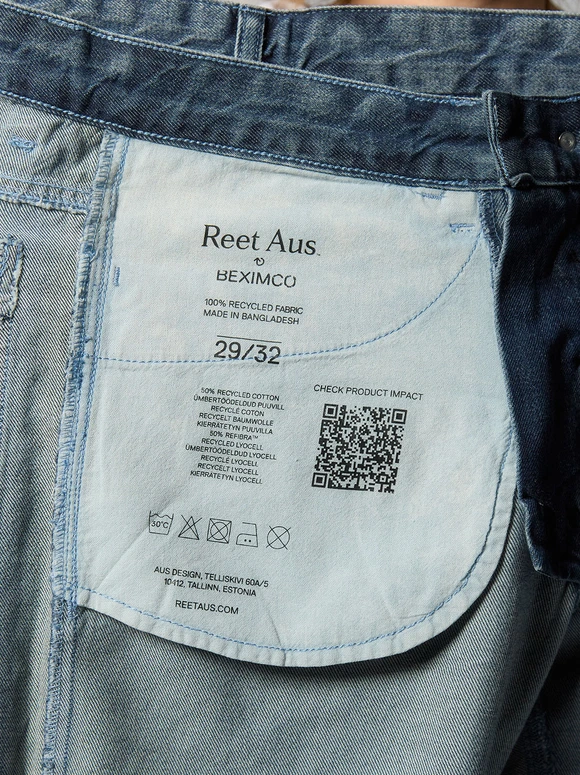
UPMADE reduces fashion's environmental impact and helps you turn leftover textiles into new products by bringing together design, waste analysis and measurable data that shows the difference you’re making.
Upcycled products can use up to 99% less water and 98% less fossil energy, and generate 95% less CO2 eq. than conventional products.
A platform empowering the circular textile and fashion economy
UPMADE® service modules
Module 1: Fabrics & Manufacturing
Connect supply and demand for production leftovers, recycled textiles, and manufacturing capabilities.
Module 2: Designs & Product Development
Connect manufacturers, brands, and designers to develop market-ready products from available fabrics and designs.
Module 3: Digital Product Passport
Create and share transparent product data across the value chain.
Module 4: UPMADE® Certification
Verify your production and communicate its environmental impact.
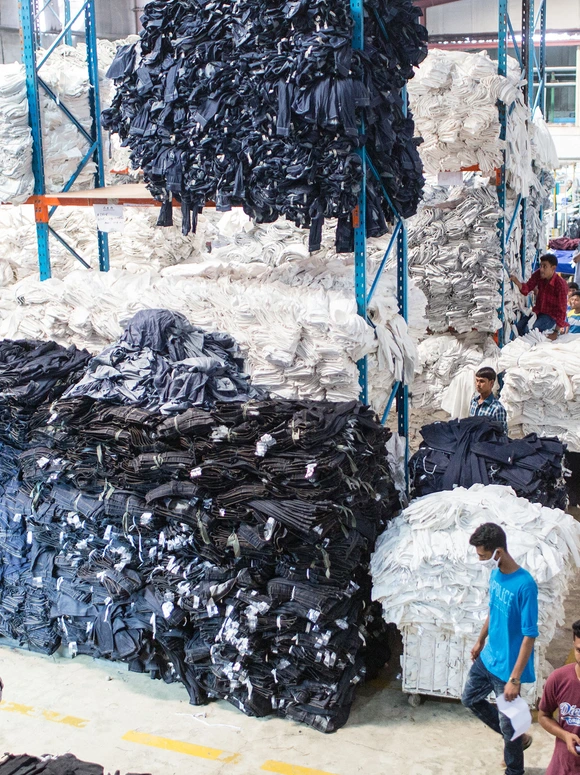
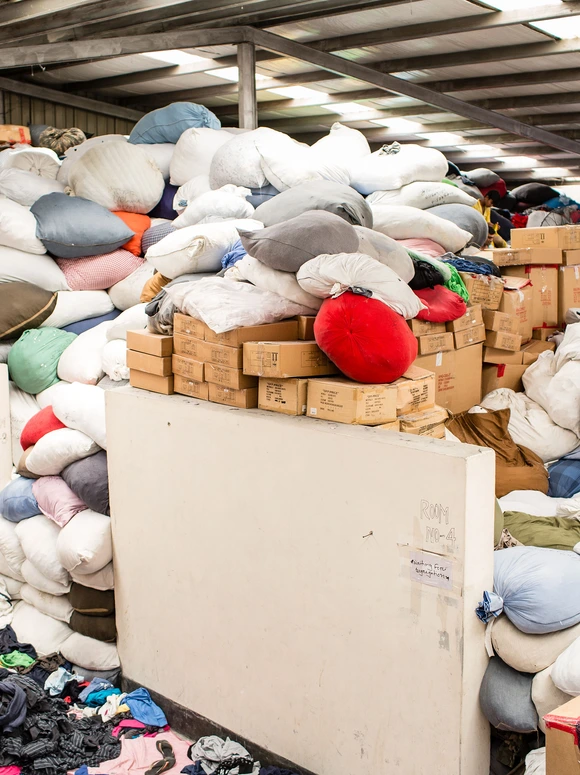
A platform empowering the circular textile and fashion economy
Every day, manufacturing generates vast amounts of textile leftovers. We connect brands, manufacturers, and designers to transform these leftovers into new products through upcycling and recycling.
Everything you need to give textile leftovers a new life
UPMADE® brings together information on available fabrics, manufacturing capabilities and designs, while providing tools for environmental impact assessment, Digital Product Passports and certification - enabling brands and manufacturers to develop circular products together.